
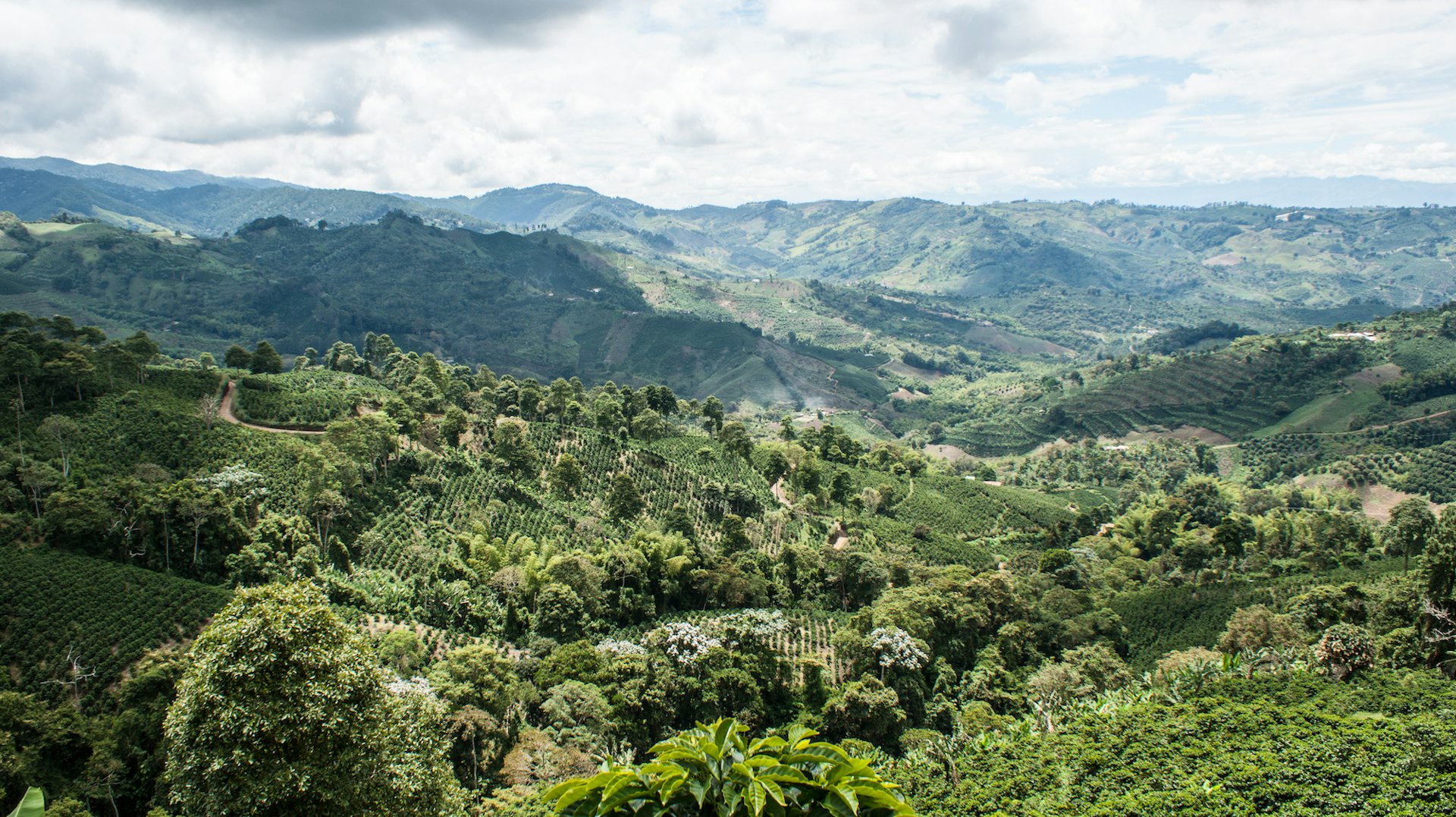
Heading to Southern Tolima: Coffee Landscapes of Alpujarra
Mountains, viewpoints, golden sunsets, and coffee farms: a tour of the landscape of Alpujarra, in southeastern Tolima, home of Mitorá Coffee.
Read article → Article in Spanish#ReaprendeElCafé
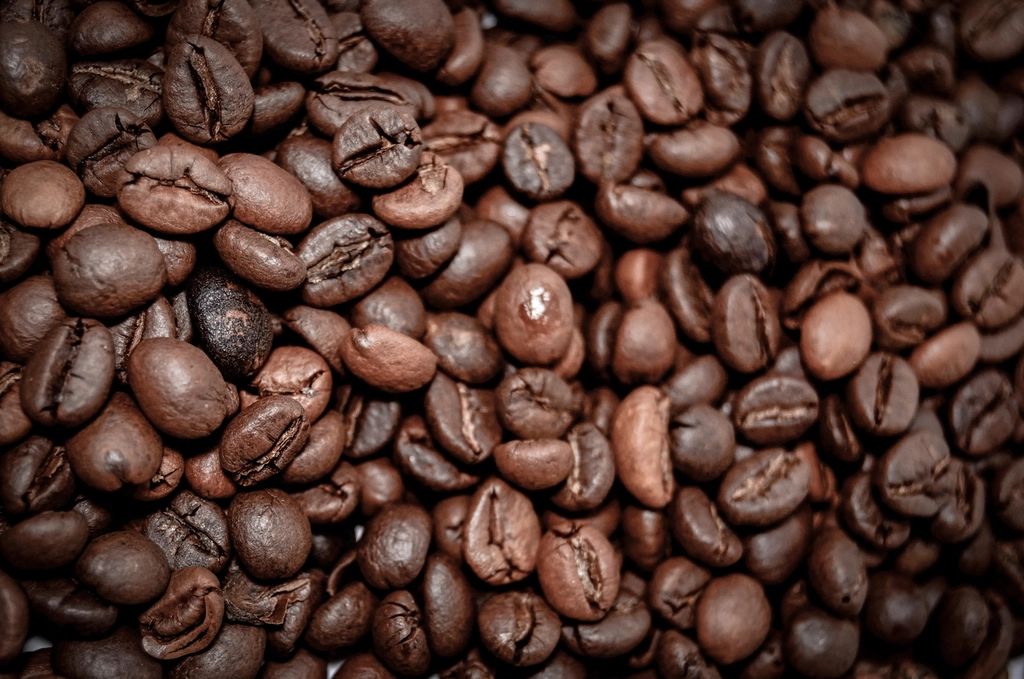
Colombia is a coffee country that is still discovering its own coffee. Here we share what we know: how to brew it at home, how it is graded, where it comes from and who grows it.
Mountains, viewpoints, golden sunsets, and coffee farms: a tour of the landscape of Alpujarra, in southeastern Tolima, home of Mitorá Coffee.
Read article → Article in Spanish
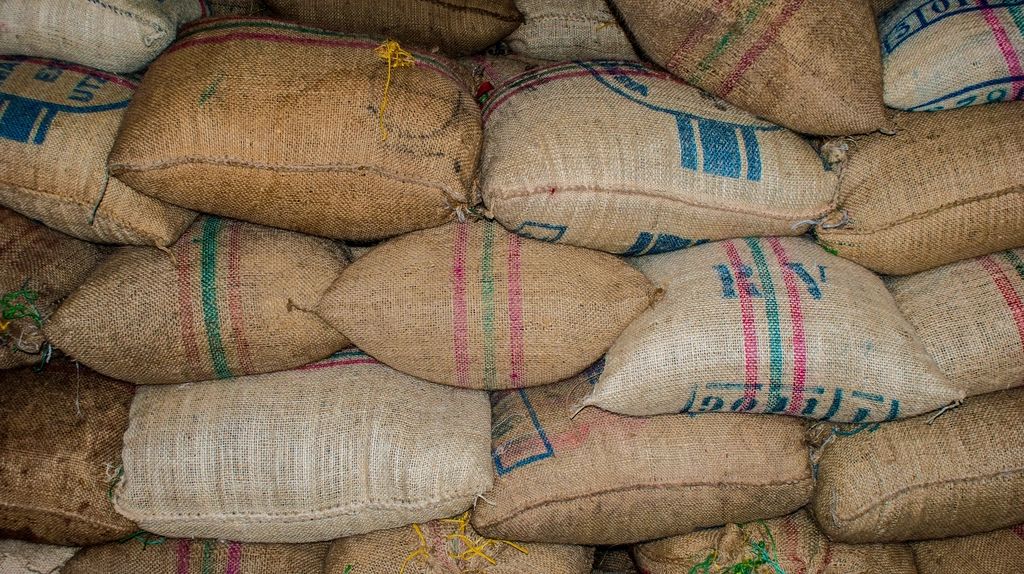
Resumen semanal del café en Colombia, del 16 de nov al 20 de noviembre de 2026: el precio interno subió 3,1 % ($65.000) y cerró en $2.150.000 la carga. Dólar, Bolsa de Nueva York y noticias.
Read article → Article in Spanish
El Gobierno y la Federación de Cafeteros renovaron por diez años la administración de los fondos del café; repasamos qué se sabe y el contexto.
Read article → Article in Spanish
Coffee is an important source of antioxidants in the diet. What chlorogenic acids are, what happens to them when roasting, and what we shouldn't promise.
Read article → Article in Spanish
Resumen semanal del café en Colombia, del 9 de nov al 13 de noviembre de 2026: el precio interno subió 3,8 % ($75.000) y cerró en $2.075.000 la carga. Dólar, Bolsa de Nueva York y noticias.
Read article → Article in Spanish
La Federación Nacional de Cafeteros empezará a comprar café en cereza, mientras el Gobierno anuncia alivios de deuda y seguros climáticos para el sector.
Read article → Article in Spanish
Picking only ripe cherries takes more time and care. Why coffee quality depends on pickers and on their work being paid well.
Read article → Article in Spanish
Resumen semanal del café en Colombia, del 2 de nov al 6 de noviembre de 2026: el precio interno bajó 2,9 % ($60.000) y cerró en $2.020.000 la carga. Dólar, Bolsa de Nueva York y noticias.
Read article → Article in Spanish
Los cafeteros rechazan subir el IVA del café al 19% desde 2028, mientras el arábica cae en Nueva York y el sector se reúne en Andes, Antioquia.
Read article → Article in Spanish
What is known about drinking coffee before exercise: how long before, what amount is reasonable, and when it is best to avoid it.
Read article → Article in Spanish
Resumen semanal del café en Colombia, del 26 de oct al 30 de octubre de 2026: el precio interno bajó 2,4 % ($50.000) y cerró en $2.050.000 la carga. Dólar, Bolsa de Nueva York y noticias.
Read article → Article in Spanish
Colombia recibirá el World of Coffee 2027 y el Mundial de Cafés Filtrados, además de otras noticias cafeteras de la región y cifras del mercado de la semana.
Read article → Article in Spanish
How to turn the first cup of the day into a ten-minute ritual without screens: grind, smell, pour, and start the day calmly.
Read article → Article in Spanish
Resumen semanal del café en Colombia, del 19 de oct al 23 de octubre de 2026: el precio interno bajó 2,8 % ($62.000) y cerró en $2.148.000 la carga. Dólar, Bolsa de Nueva York y noticias.
Read article → Article in Spanish
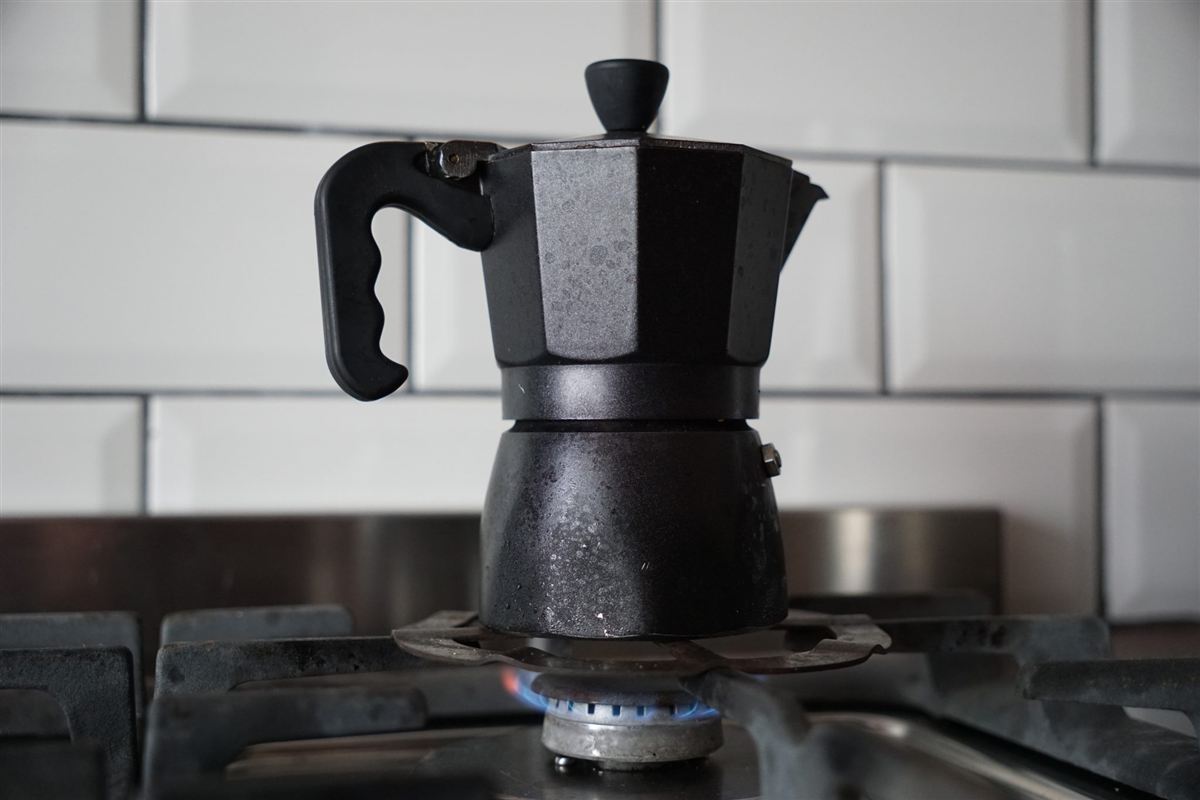
A guide to brewing coffee in a moka pot, or greca: water level, medium-fine grind, heat, and the exact moment to take it off so it doesn't taste burnt.
Read article → Article in Spanish
Resumen semanal del café en Colombia, del 12 de oct al 16 de octubre de 2026: el precio interno subió 3,8 % ($80.000) y cerró en $2.160.000 la carga. Dólar, Bolsa de Nueva York y noticias.
Read article → Article in Spanish
A complete French press recipe: amounts, grind size, temperature, and the 4 minutes of steeping. With the most common mistakes and how to avoid them.
Read article → Article in Spanish
Resumen semanal del café en Colombia, del 3 de oct al 9 de octubre de 2026: el precio interno bajó 3,5 % ($75.000) y cerró en $2.055.000 la carga. Dólar, Bolsa de Nueva York y noticias.
Read article → Article in Spanish
A chart of grams of coffee and milliliters of water for one cup, two cups, or a pitcher, with spoonful equivalents and how to adjust if you want it stronger.
Read article → Article in Spanish
Resumen semanal del café en Colombia, del 26 de sept al 2 de octubre de 2026: el precio interno subió 1,2 % ($25.000) y cerró en $2.130.000 la carga. Dólar, Bolsa de Nueva York y noticias.
Read article → Article in Spanish
What a cupper evaluates, how the SCA score adds up, what a blind cupping is, and why a coffee needs 80 points or more to be specialty.
Read article → Article in Spanish
The SCA scale rates coffee from 0 to 100. Learn what a coffee of 80, 85, or 90 points means and why the Bourbon Rosado earned 82.5.
Read article → Article in Spanish
Why shouldn't you use boiling water to brew coffee? Discover the ideal temperature (90–93 °C) and how to get it without a thermometer.
Read article → Article in Spanish
Why did we get used to bitter coffee in Colombia? Learn the differences between commercial coffee, or pasilla (low-grade, defective coffee), and SCA specialty coffee.
Read article → Article in Spanish
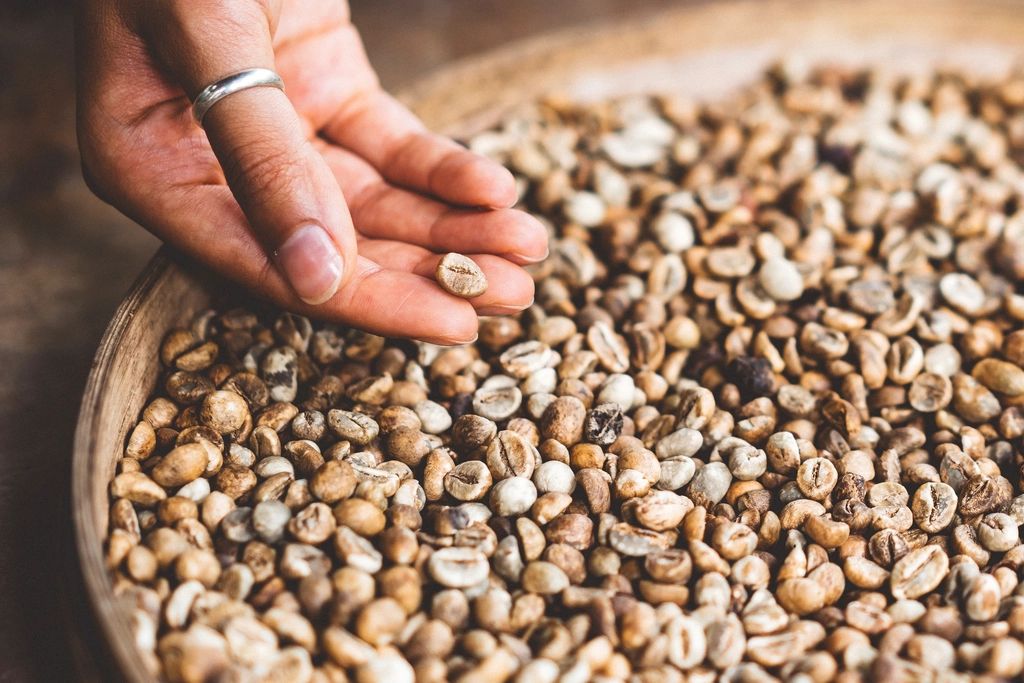
The Colombia, Land of Diversity auction sold more than US$685,000, averaging US$68.19 per pound with a top price of US$400. Results from the fair.
Read article → Article in Spanish
From October 15 to 18, Bogotá brings together producers from all 23 coffee-growing departments, national championships, and an auction with buyers from four continents.
Read article → Article in Spanish
How specialty coffee creates opportunities for young people in Tolima to stay in the countryside, and why community and direct trade are key.
Read article → Article in Spanish
A simple guide to the cupping attributes SCA cuppers use: body, balance, aftertaste, sweetness, and astringency, and how coffee changes as it cools.
Read article → Article in Spanish
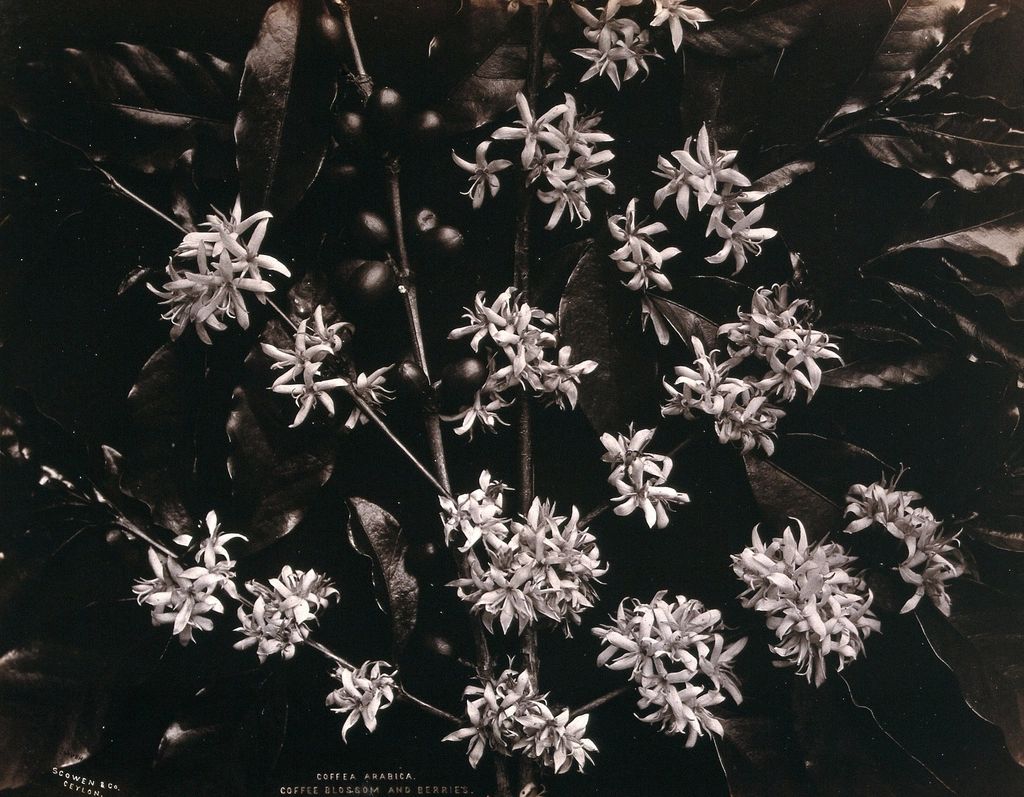
How the coffee plant blooms in the mountains of Tolima, how long the flowers last, how long they take to become ripe cherries, and why they announce a new harvest.
Read article → Article in Spanish
Tips for brewing specialty coffee in your home electric coffee maker: grind size, amounts, cleaning, and why you should never reheat coffee.
Read article → Article in Spanish
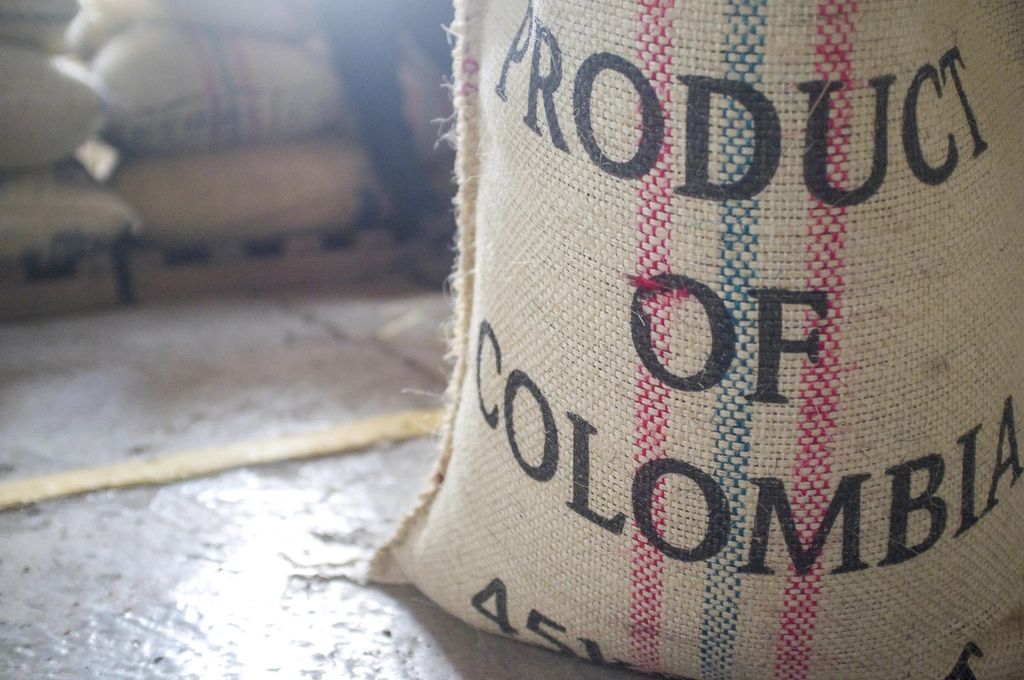
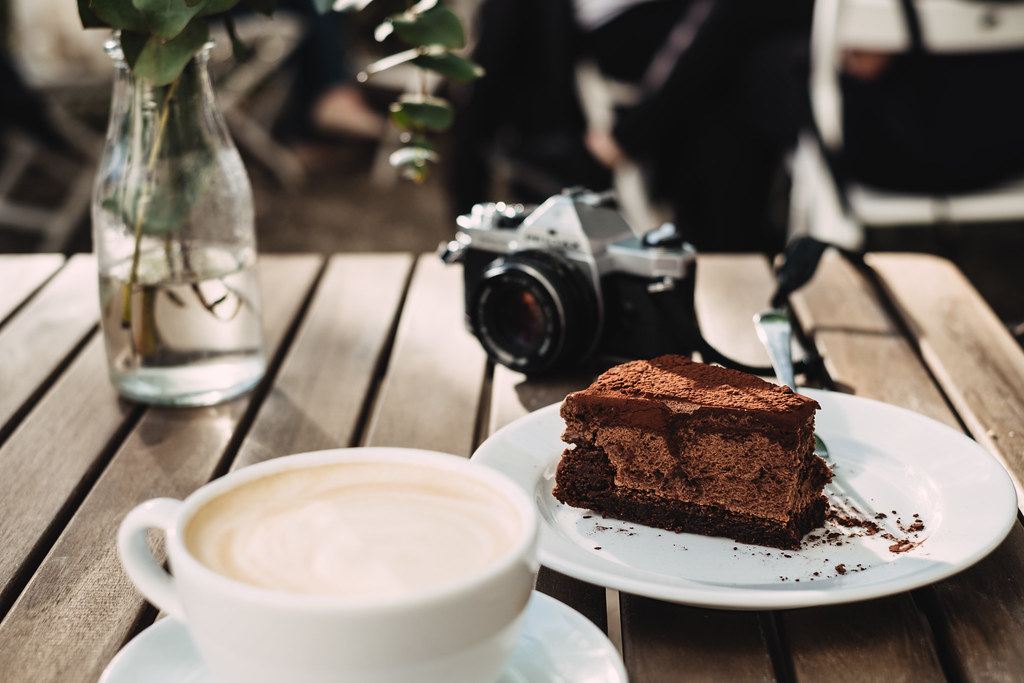
How to pair specialty coffee with dark chocolate, buttery pastries, and Tolima-style achiras (cassava-starch cookies) to bring out its panela (unrefined cane sugar) and caramel notes.
Read article → Article in Spanish
Three cold coffee recipes to make at home with specialty coffee: affogato with vanilla ice cream, iced latte, and coffee tonic with orange.
Read article → Article in Spanish
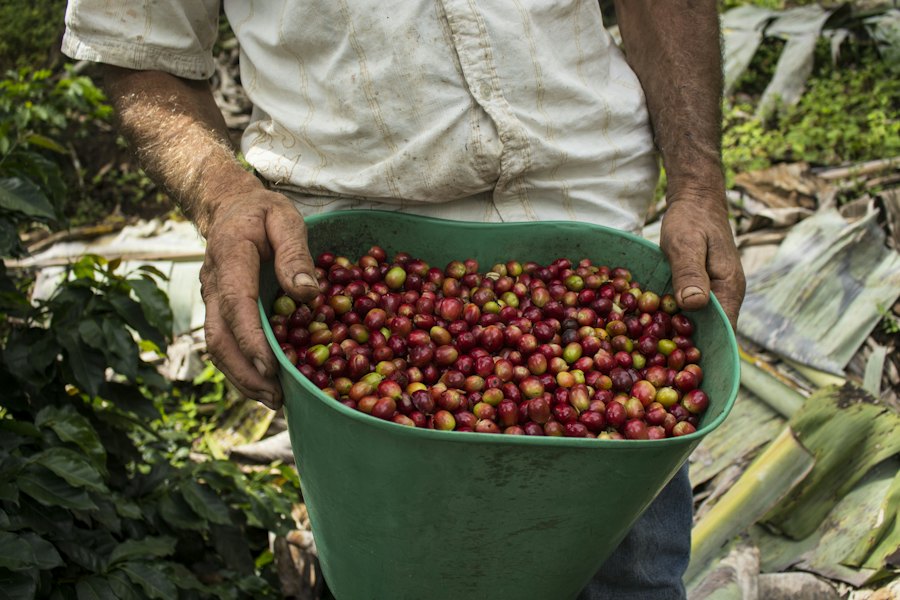
How fermentation and drying influence coffee flavor, what raised African beds and the marquesina (covered drying bed) are, and why patience shows in the cup.
Read article → Article in Spanish
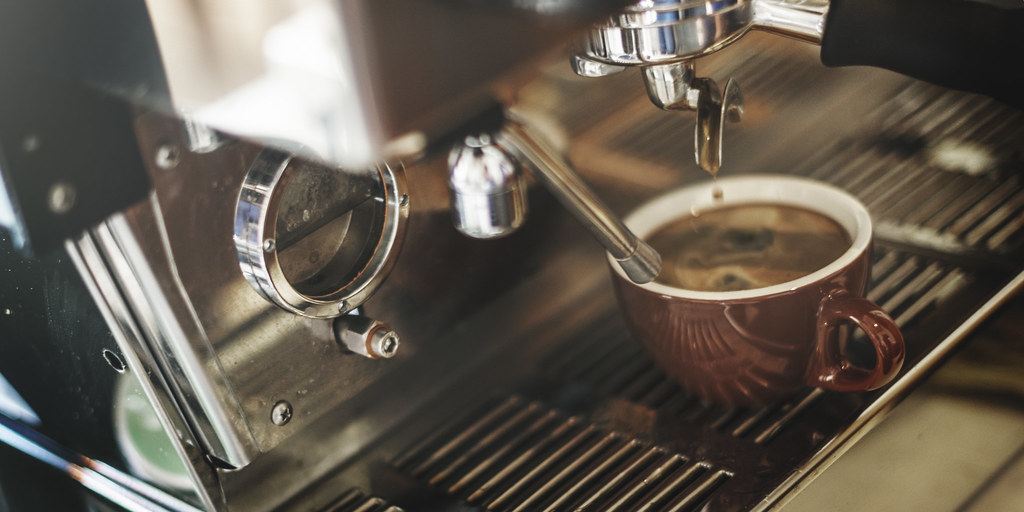
What shade-grown coffee is, why it protects soil, water, and birds, and how it influences bean quality in the mountains of Tolima.
Read article → Article in Spanish
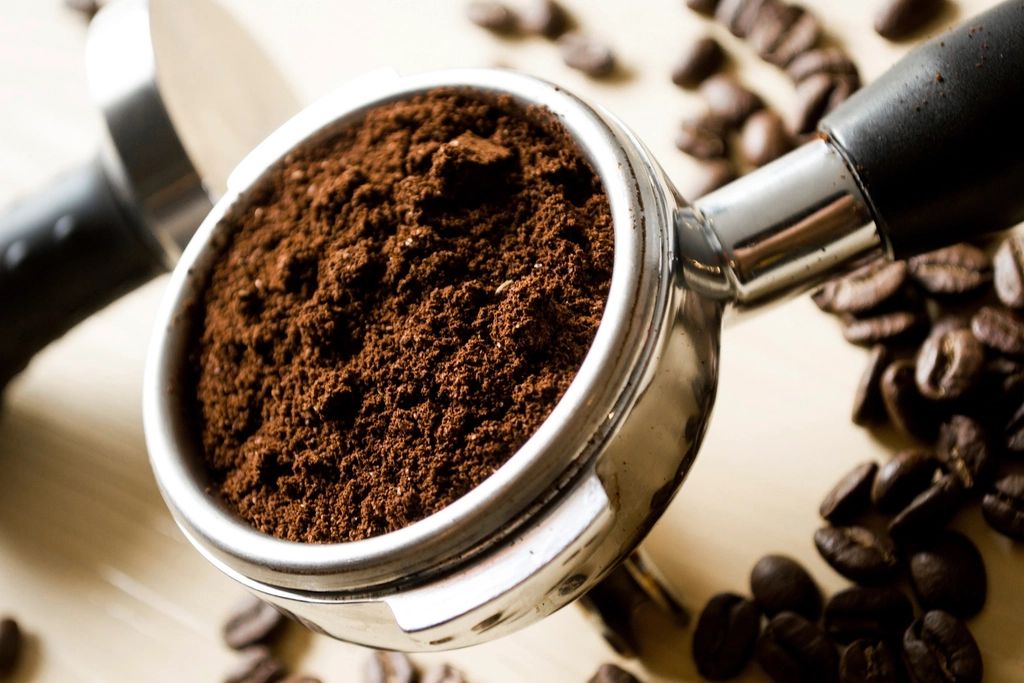
Ideas for gifting specialty coffee: personal kits, corporate year-end gifts, and tips so your gift arrives fresh and with its story.
Read article → Article in Spanish
What primary and secondary defects are, how beans are graded by size (screen), and what the SCA requires for a lot to be specialty.
Read article → Article in Spanish
What a single-origin coffee is, what a blend and a pure varietal are, and why traceability matters when choosing specialty coffee.
Read article → Article in Spanish
What coffee degassing is, why freshly roasted beans need to rest, and how many days to wait depending on your brewing method.
Read article → Article in Spanish
How long coffee keeps its best flavor, why light, oxygen, and moisture damage it, and how to read the roast date on your bag.
Read article → Article in Spanish
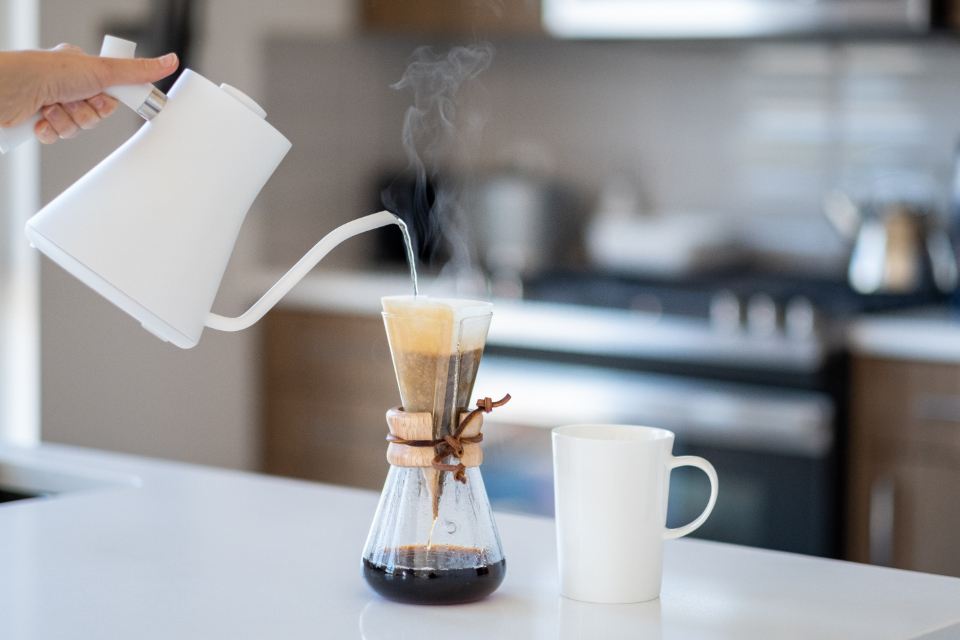
A step-by-step AeroPress recipe, which grind size to use, and why it is the ideal brewer for travel and the office.
Read article → Article in Spanish
Compare the three most popular manual pour-over methods, the difference between paper and metal filters, and what grind size each one needs.
Read article → Article in Spanish
Differences between a blade grinder and a burr grinder, why grind uniformity changes the flavor, and what to consider before buying.
Read article → Article in Spanish
Learn to diagnose your cup: what it means when coffee is over-extracted or under-extracted, what channeling is, and how to adjust grind size, time, and temperature.
Read article → Article in Spanish
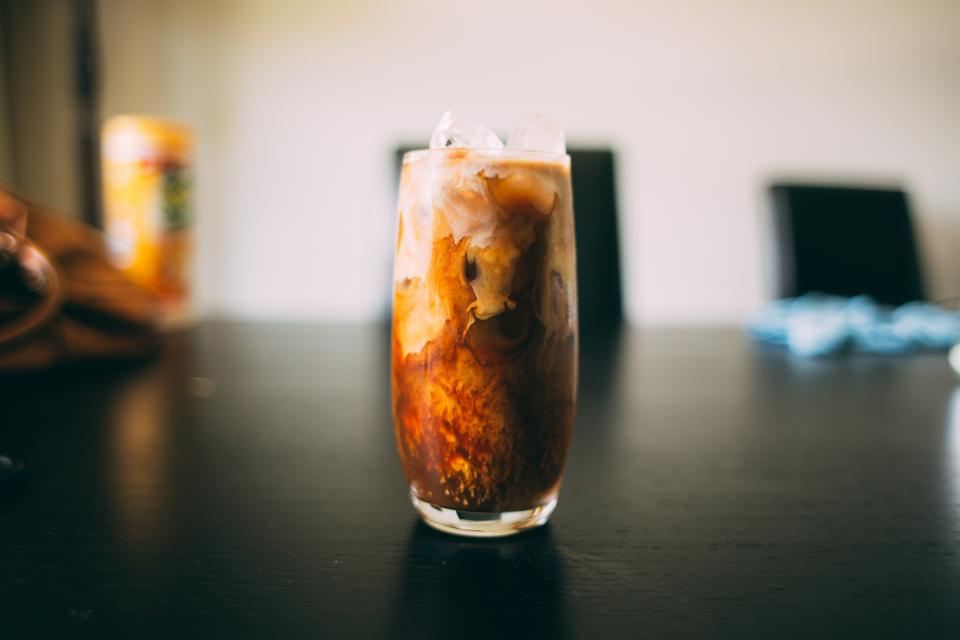
Bitterness is not a sign of caffeine. We explain what happens to caffeine during roasting and what really makes a coffee “strong.”
Read article → Article in Spanish
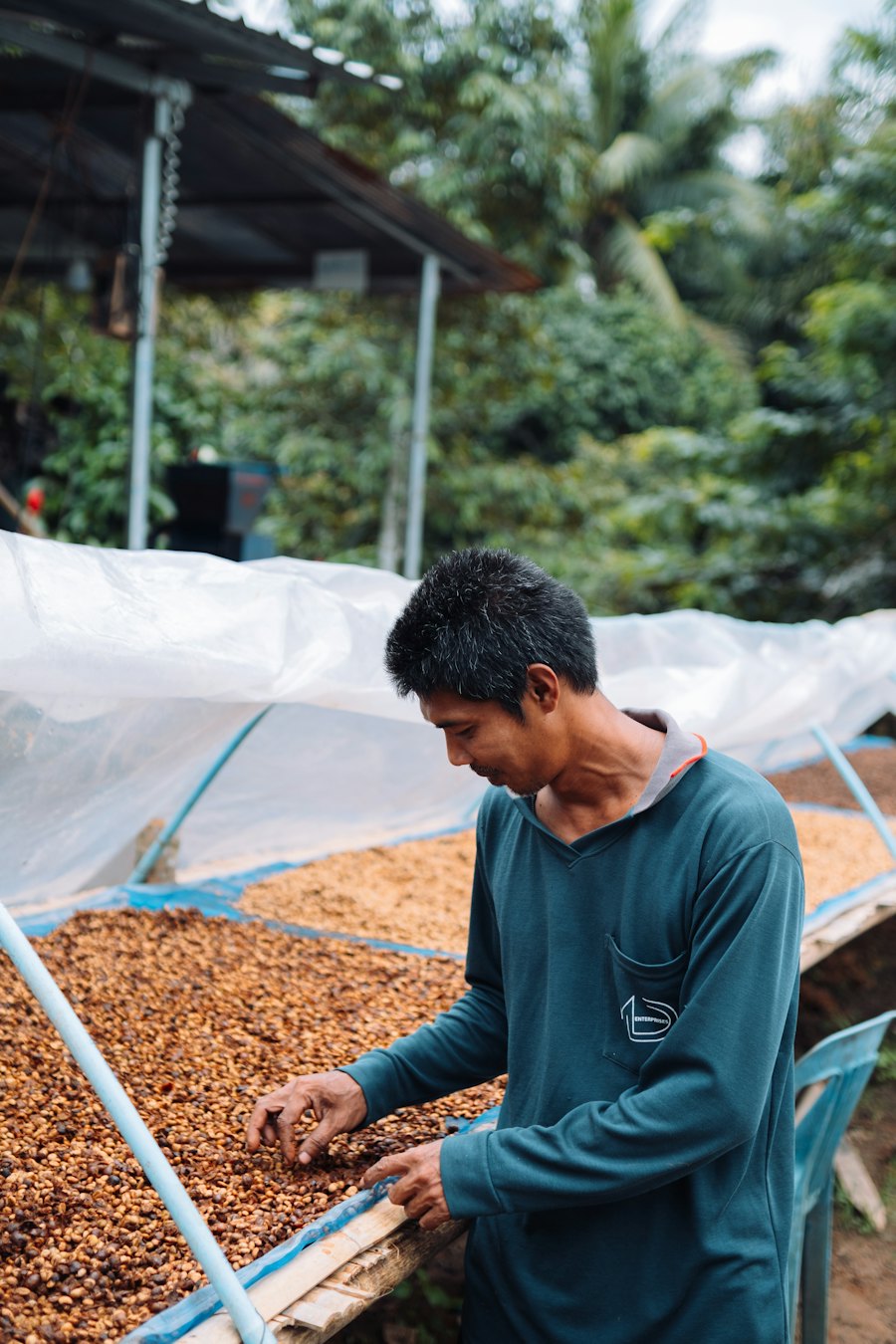
Why many people feel stomach acidity with commercial coffee, what role the roast and bean defects play, and how to drink coffee in a gentler way.
Read article → Article in Spanish
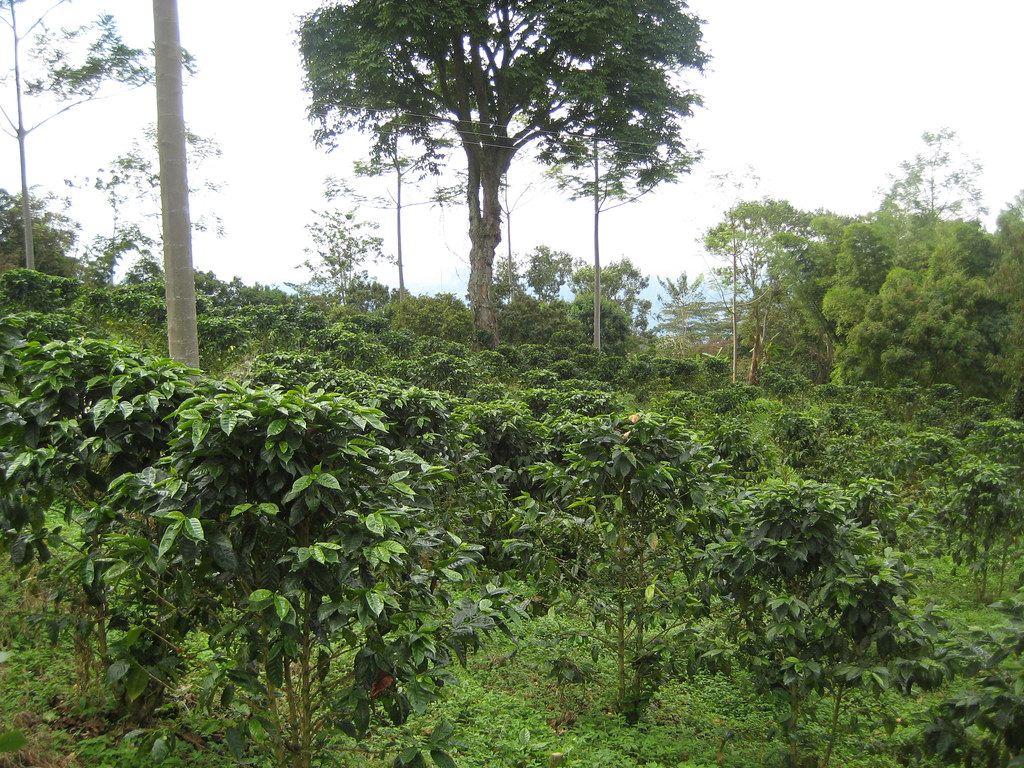
Find out why ground coffee loses its aroma so quickly, when it makes sense to buy whole bean coffee, and how to keep it fresh at home.
Read article → Article in Spanish
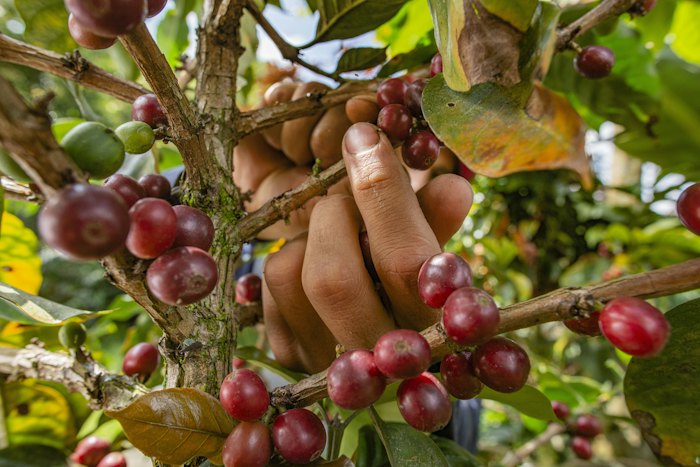
Learn to brew coffee in a cloth filter like a barista: grind size, temperature, amounts, and how to wash and store the filter so it doesn't affect the flavor.
Read article → Article in Spanish
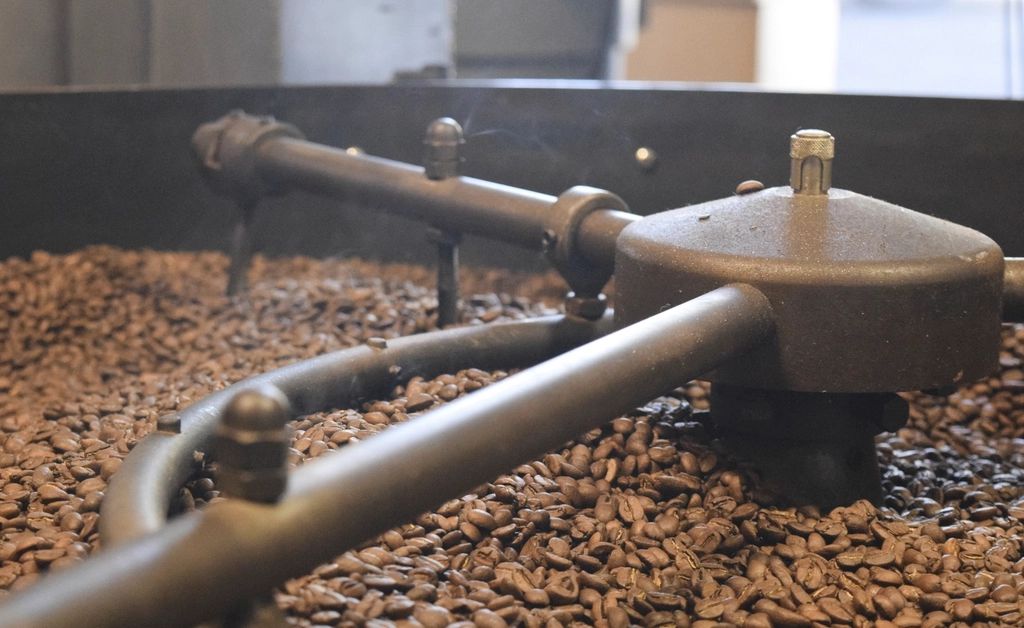
Does your coffee taste like cardboard? Rinsing the paper filter removes that taste and preheats your brewer. A simple step that changes the cup.
Read article → Article in Spanish
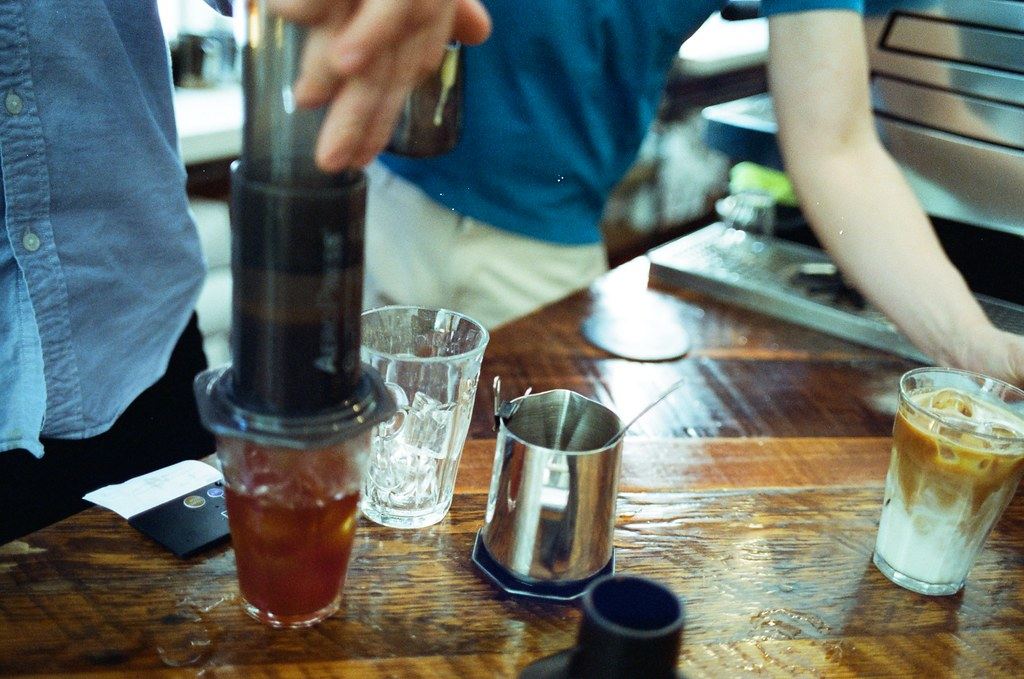
Discipline, early mornings, and love for the land: a tribute to the coffee farmer of Alpujarra, Tolima, who makes every cup possible.
Read article → Article in Spanish
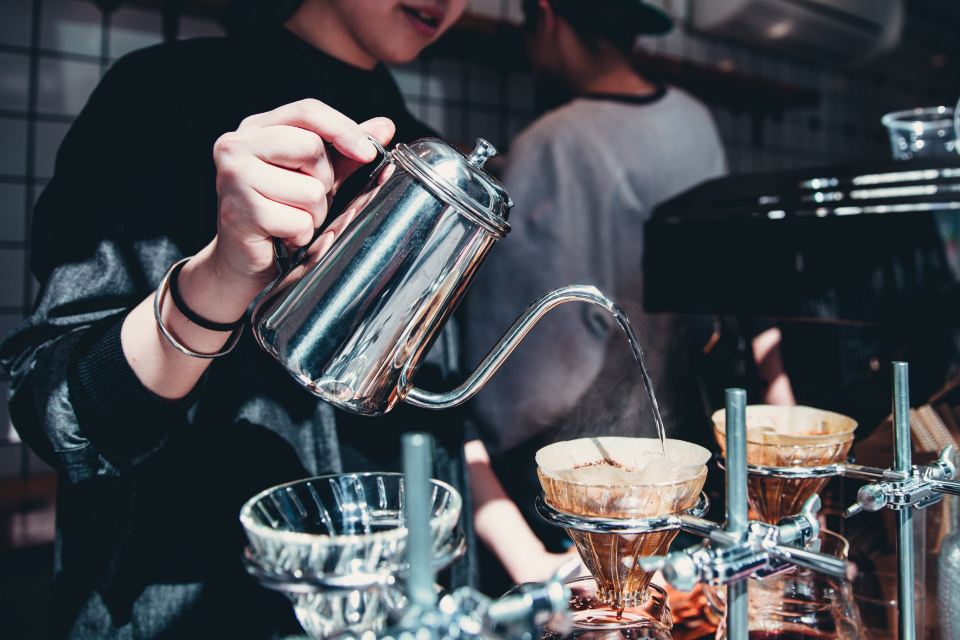
Before roasting, green coffee must have a controlled moisture level. What happens if it is too wet or too dry, and how it is measured.
Read article → Article in Spanish

An easy espresso tonic recipe: ice, tonic water, and a shot of coffee. A non-alcoholic drink that is refreshing and sophisticated.
Read article → Article in Spanish
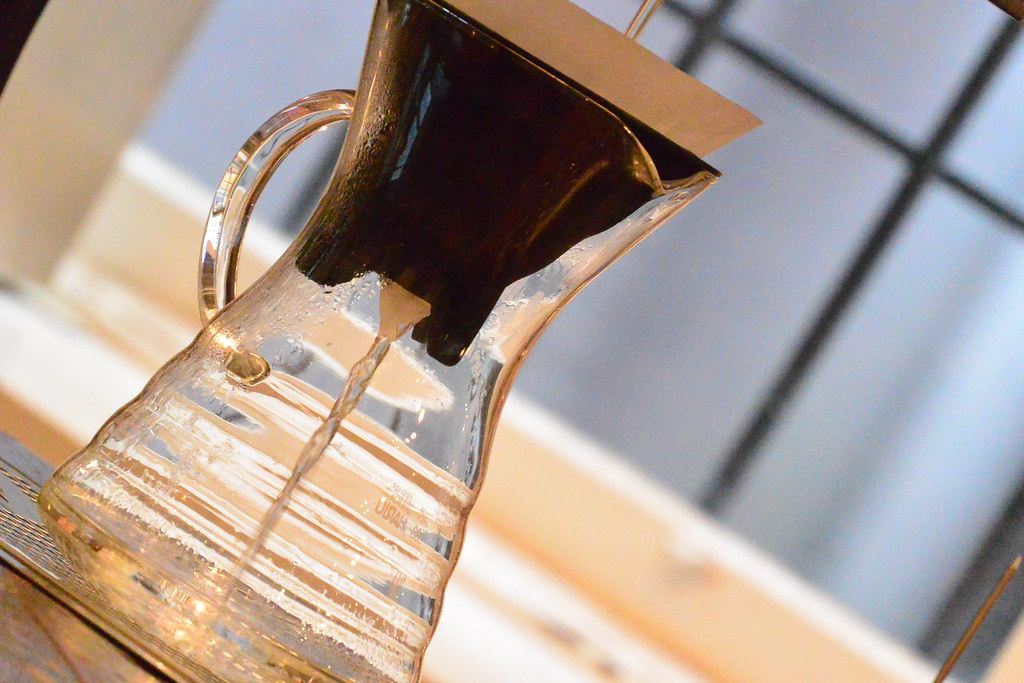
A microlot is a small production of coffee from a specific section of the farm, processed separately. Learn why it's unique.
Read article → Article in Spanish
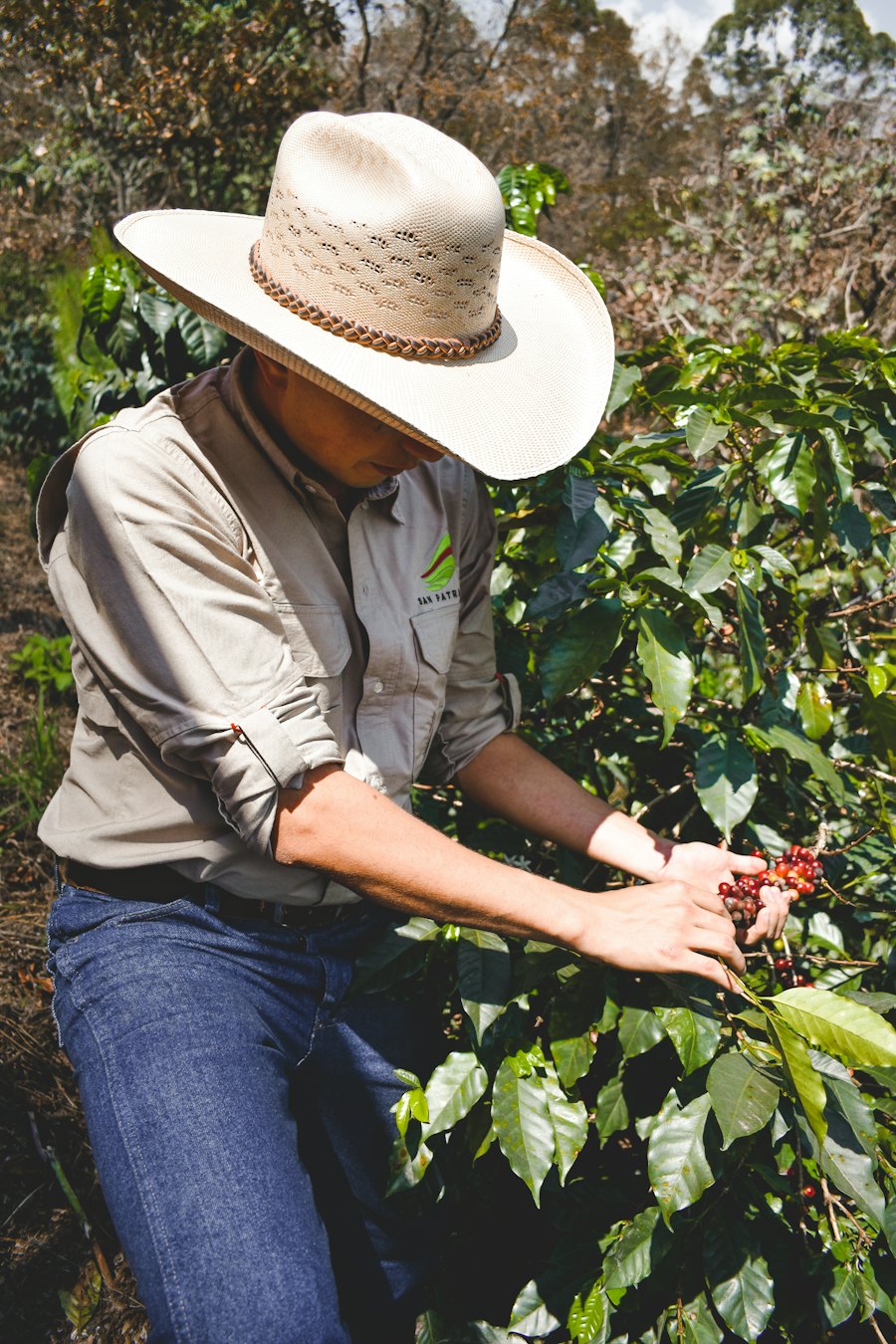
Water is key in coffee processing and in the life of the mountain. This is how we understand taking care of it in Alpujarra, Tolima.
Read article → Article in Spanish
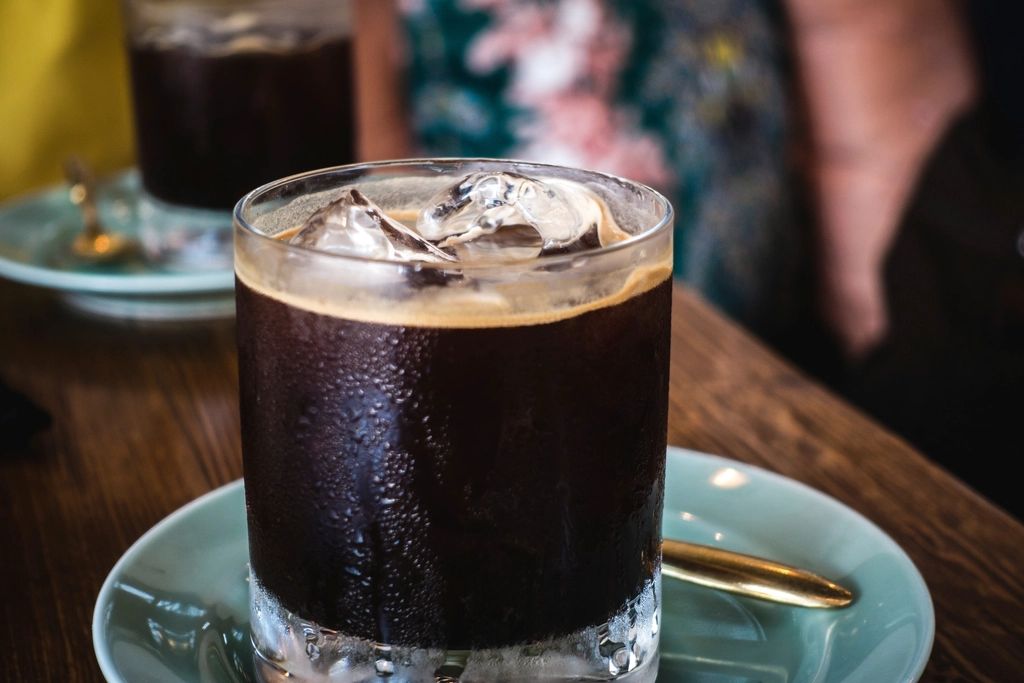
Coffee has hundreds of aromatic compounds. The SCA flavor wheel helps you name them. Learn to use it with your next cup.
Read article → Article in Spanish
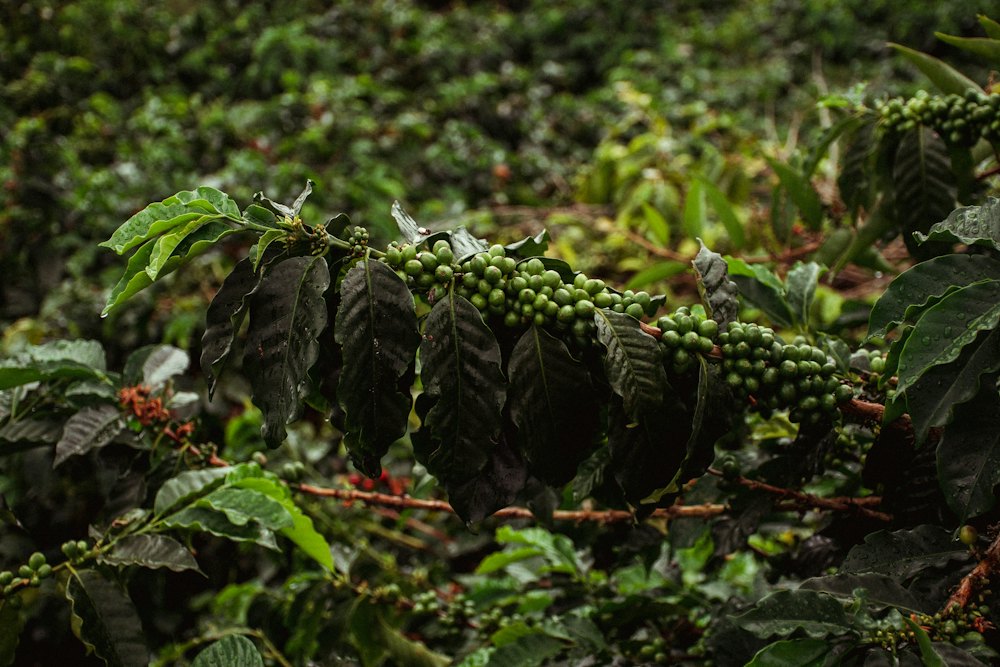
Fine grind, 9 bars of pressure, and 25 to 30 seconds: the keys to a specialty coffee espresso with crema and sweetness.
Read article → Article in Spanish
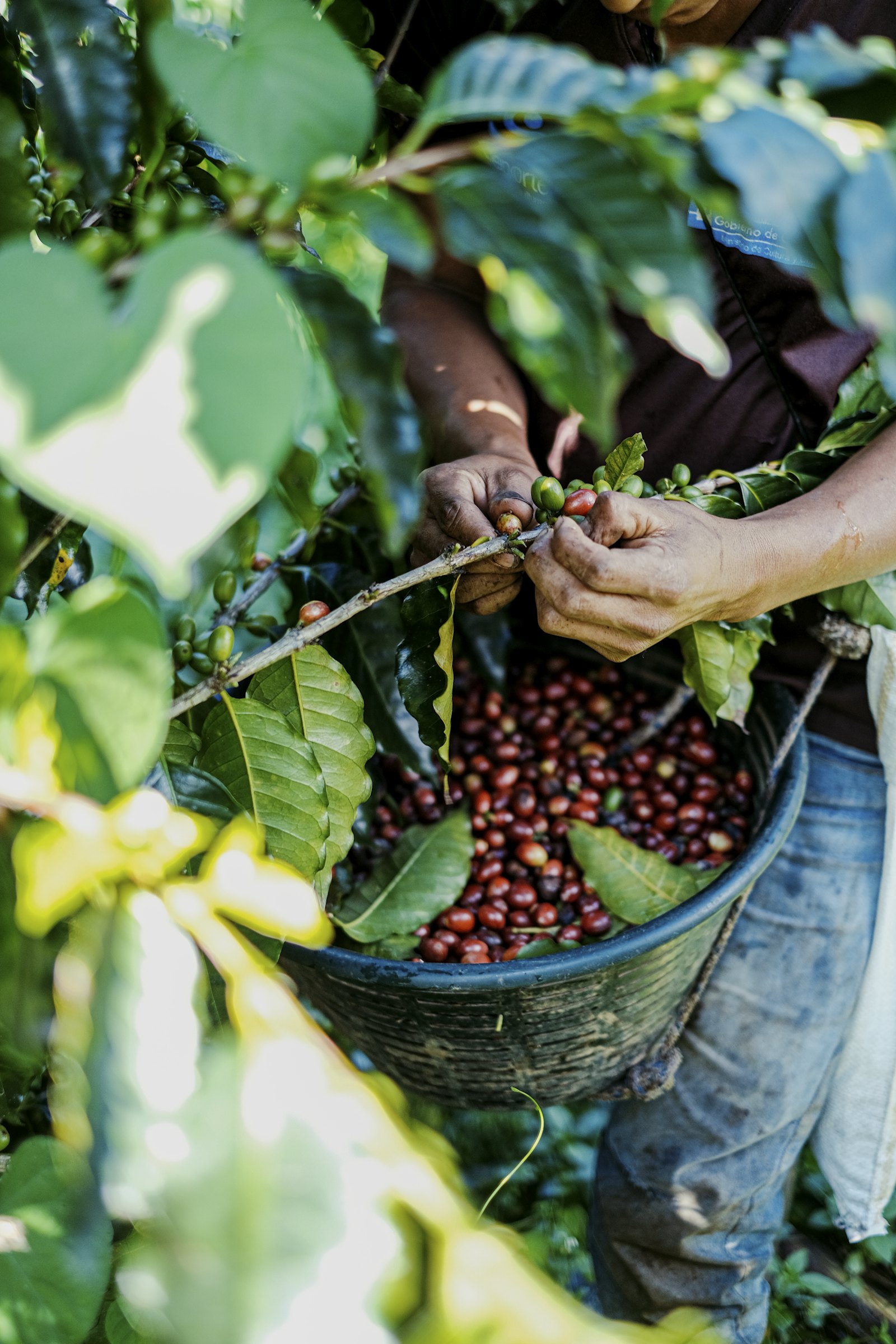
That circle on the coffee bag is a one-way valve. Learn how it protects the freshness of your freshly roasted coffee.
Read article → Article in Spanish
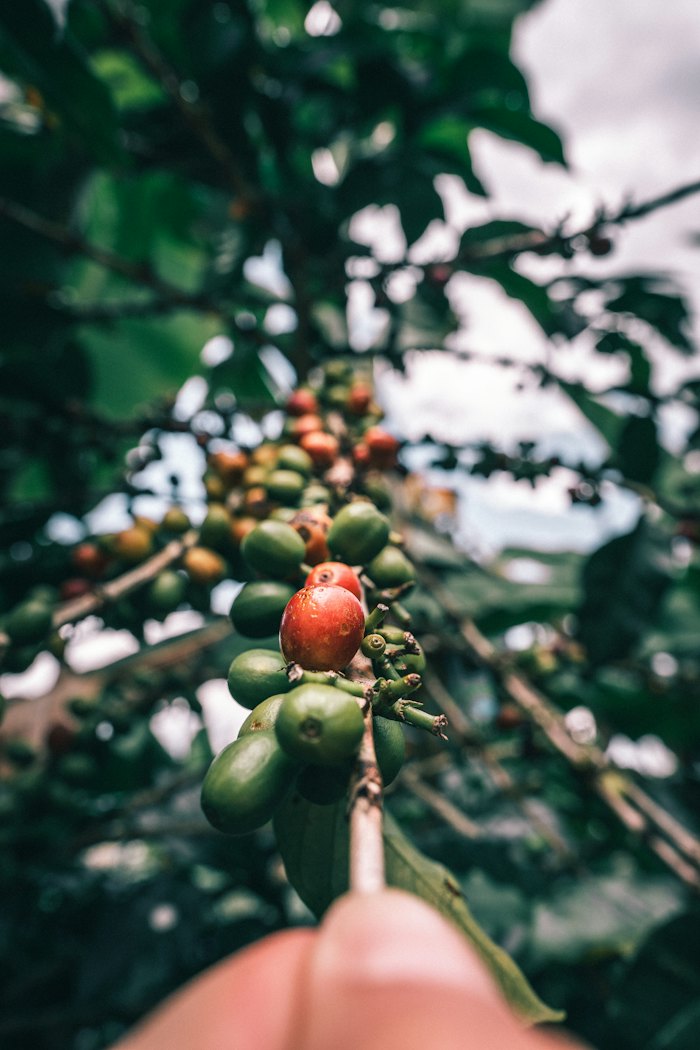
Buying traceable coffee cuts out middlemen and sends more value to the coffee grower. This is how we understand direct trade.
Read article → Article in Spanish
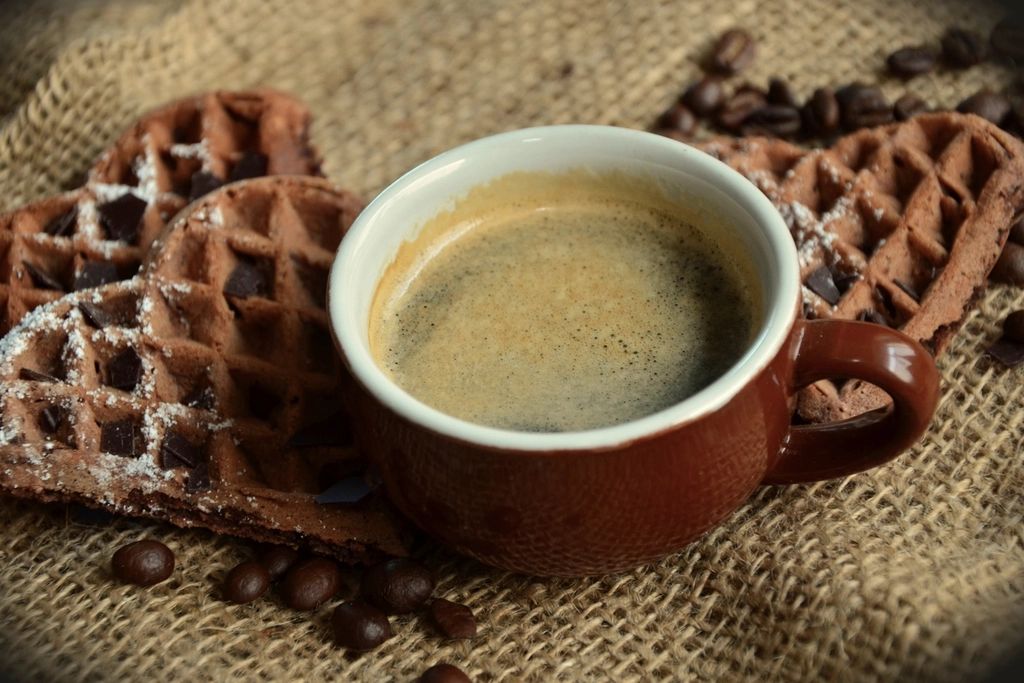
Specialty coffee labels show the altitude in m a.s.l. Find out why mountain coffee is denser, sweeter, and more complex.
Read article → Article in Spanish

Rainy days invite you to slow down. How to brew a filter coffee to turn a gray afternoon into a moment of calm.
Read article → Article in Spanish
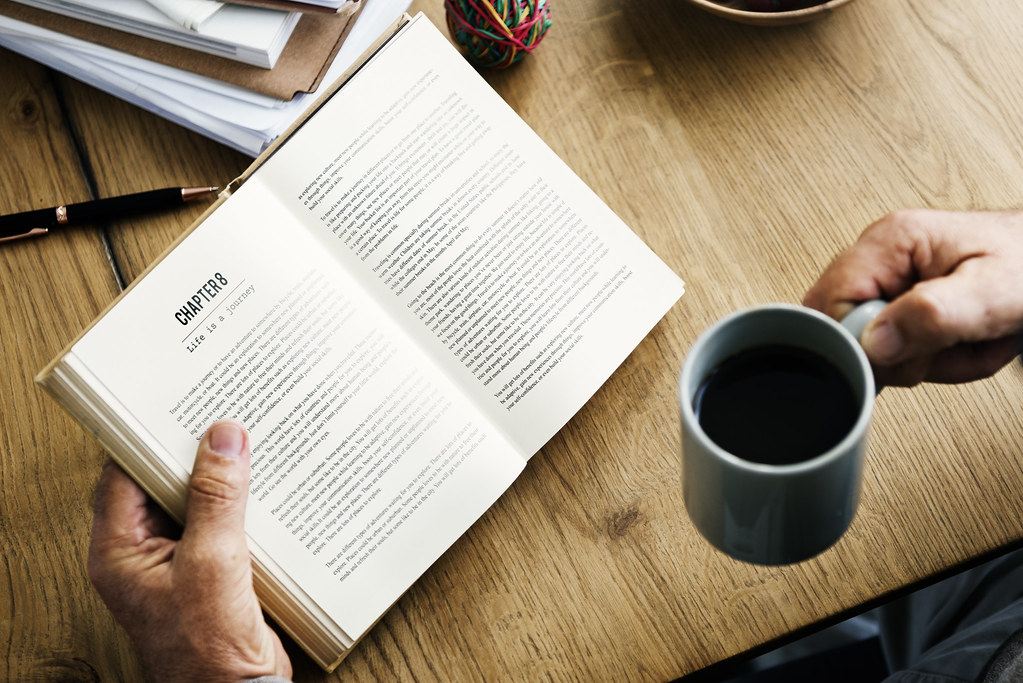
Sugar used to cover up the bitterness of pasilla (low-grade, defective coffee). Take the challenge of drinking specialty coffee without sugar for a week.
Read article → Article in Spanish
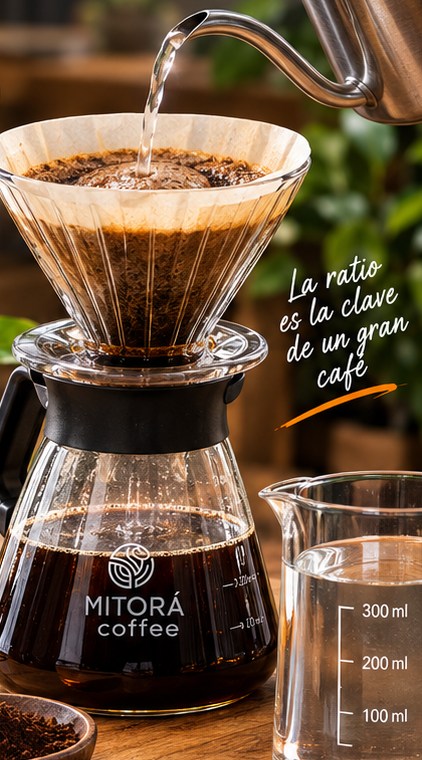
In Alpujarra, love for the land is passed down from generation to generation. This is how we unite farming tradition with the science of specialty coffee.
Read article → Article in Spanish
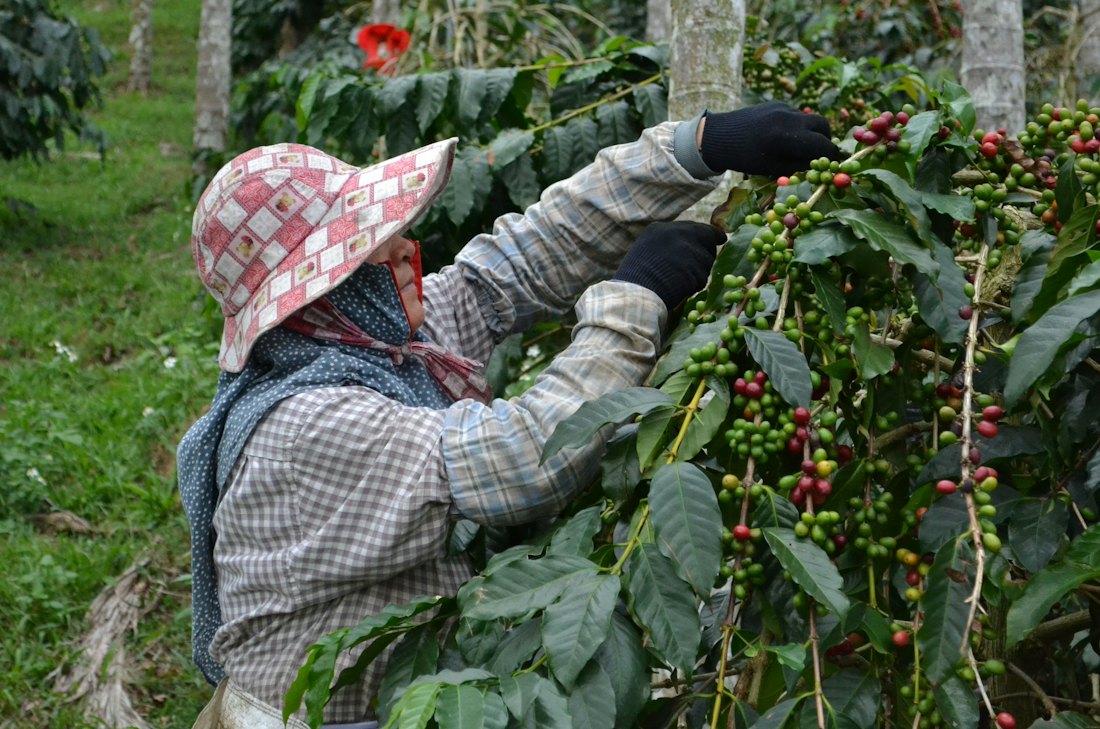
Selective picking, cherry by cherry, is the foundation of specialty coffee. This is how it's harvested and why it makes a difference in the cup.
Read article → Article in Spanish
The sweetness of a specialty coffee doesn't come from flavorings. Where panela (unrefined cane sugar) and caramel notes come from and how to taste them.
Read article → Article in Spanish
The ratio is the relationship between coffee and water. Learn the 1:15 formula, how to calculate it, and practical examples for 1, 2, or more cups.
Read article → Article in Spanish
A Tolima tamal isn't complete without a good cup of coffee. This is how specialty coffee elevates your weekend breakfasts.
Read article → Article in Spanish
Bourbon Rosado is a scarce, demanding coffee variety, famous for its pink cherries and its sweet, floral cup. Learn its story.
Read article → Article in Spanish
A five-minute break with a well-brewed coffee can change your afternoon. Ideas to turn the 3 o'clock coffee into a ritual.
Read article → Article in Spanish
The wrong grind is the number one cause of bitter or watery coffee. A guide to fine, medium, and coarse grinds for your coffee maker.
Read article → Article in Spanish
The toche, with its yellow and black plumage, is a symbol of Tolima that keeps company with the workdays in the coffee farms of Alpujarra.
Read article → Article in Spanish
A clean cup is a key attribute in SCA cupping: the absence of off-flavors from start to finish. Learn to recognize it.
Read article → Article in Spanish
There's nothing like the first sip of coffee while the cold mountain air still hugs the morning. A tribute to the mornings of Tolima.
Read article → Article in Spanish
A cup of filter coffee is about 98% water. Learn which water to use so your specialty coffee shows its full flavor.
Read article → Article in Spanish
Specialty coffee growing opens paths of development for Tolima families and young people in the countryside. This is how we see it from Alpujarra.
Read article → Article in Spanish
In SCA cupping, fragrance and aroma are evaluated separately. Learn the difference and how to notice them in your own kitchen.
Read article → Article in Spanish
The vessel changes the coffee experience. Compare double-walled glass and ceramic, and why to avoid plastic and foam.
Read article → Article in Spanish
Coffee loses aroma over time after roasting. Learn to read the roast date and when your coffee is at its best.
Read article → Article in Spanish
Honey coffee has no honey in it: the name comes from the fruit's mucilage. Learn about the types of Honey (yellow, red, black) and how they change the flavor.
Read article → Article in Spanish
The salty contrast of farmhouse cheese brings out the natural sweetness of specialty coffee. A Tolima pairing for your afternoon snack.
Read article → Article in Spanish
In specialty coffee, acidity is a virtue. Learn to tell the sour acidity of a defect from bright, citrusy acidity.
Read article → Article in Spanish
A cold brew recipe in 3 steps: coarse-ground coffee, cold water, and 12 to 18 hours of steeping. A sweet, silky, refreshing drink.
Read article → Article in Spanish
In Colombia, coffee is the perfect excuse to talk and share as a family. This is how we honor that Tolima custom with specialty coffee.
Read article → Article in Spanish
Storing coffee in the fridge takes away its flavor. Learn the right way to keep your whole bean or ground coffee so it stays fresh.
Read article → Article in Spanish
Industrial coffee is an anonymous blend. Here's how to read the label of a traceable coffee: coffee grower, origin, process, and SCA score.
Read article → Article in Spanish
How to bring a good cup of coffee into your deep-work sessions: amounts, timing, and rituals to help you concentrate better.
Read article → Article in Spanish
A very dark roast tastes like charcoal; a very light one can be astringent. Why medium roast brings out sweetness and origin notes.
Read article → Article in Spanish
The moka pot gives an intense, full-bodied coffee; filter coffee highlights acidity and aromas. Compare both methods and pick yours.
Read article → Article in Spanish
Alpujarra, in southern Tolima, combines mountains, mountain-range breezes, and farming tradition. This is the territory where Mitorá Coffee was born.
Read article → Article in Spanish
Spoons measure volume, not weight. Find out why a scale gives you consistent coffee every day and how much to use.
Read article → Article in Spanish
The bubbling of coffee when it receives the first drops of water is called blooming. Learn why it happens and how to take advantage of it.
Read article → Article in Spanish
Pasilla is discarded, defective coffee that gets roasted to the extreme. Learn to recognize it and why it's worth switching to specialty coffee.
Read article → Article in Spanish
Coffee flavor starts underground. This is how the volcanic soils of Alpujarra, Tolima, influence the acidity and sweetness of the cup.
Read article → Article in Spanish
Our network of coffee growers, from Alpujarra across the country, works with SCA protocols and traceability to bring specialty microlots to the world.
Read article → Article in Spanish
A good book and a cup of specialty coffee can transform any Sunday. Ideas to create your own moment of rest with Mitorá Coffee.
Read article → Article in Spanish
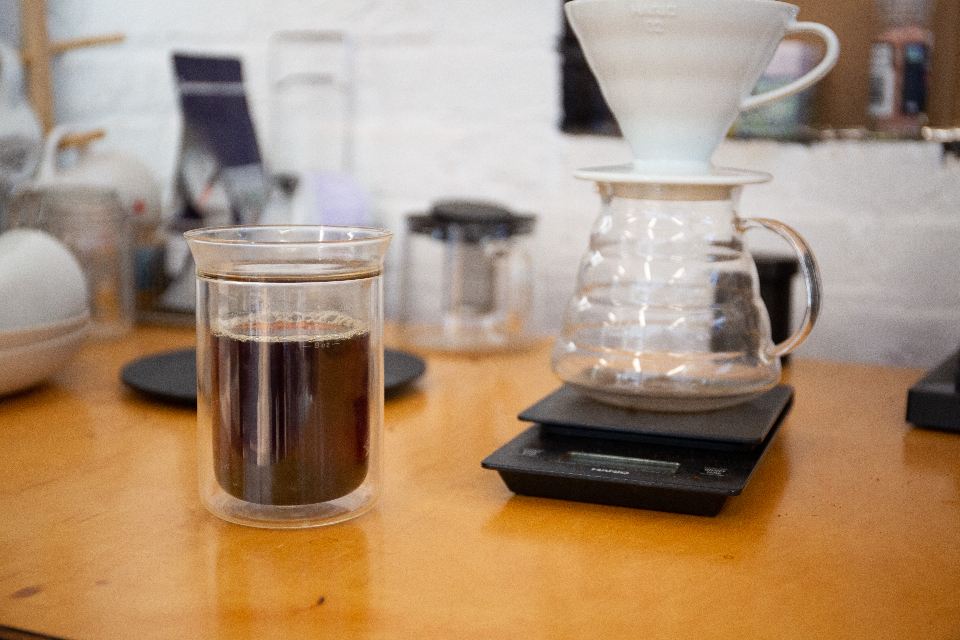
A guide to brewing coffee in a V60: grind size, temperature, bloom, and pouring. This is how you bring out the clean acidity and sweetness of a specialty coffee.
Read article → Article in Spanish
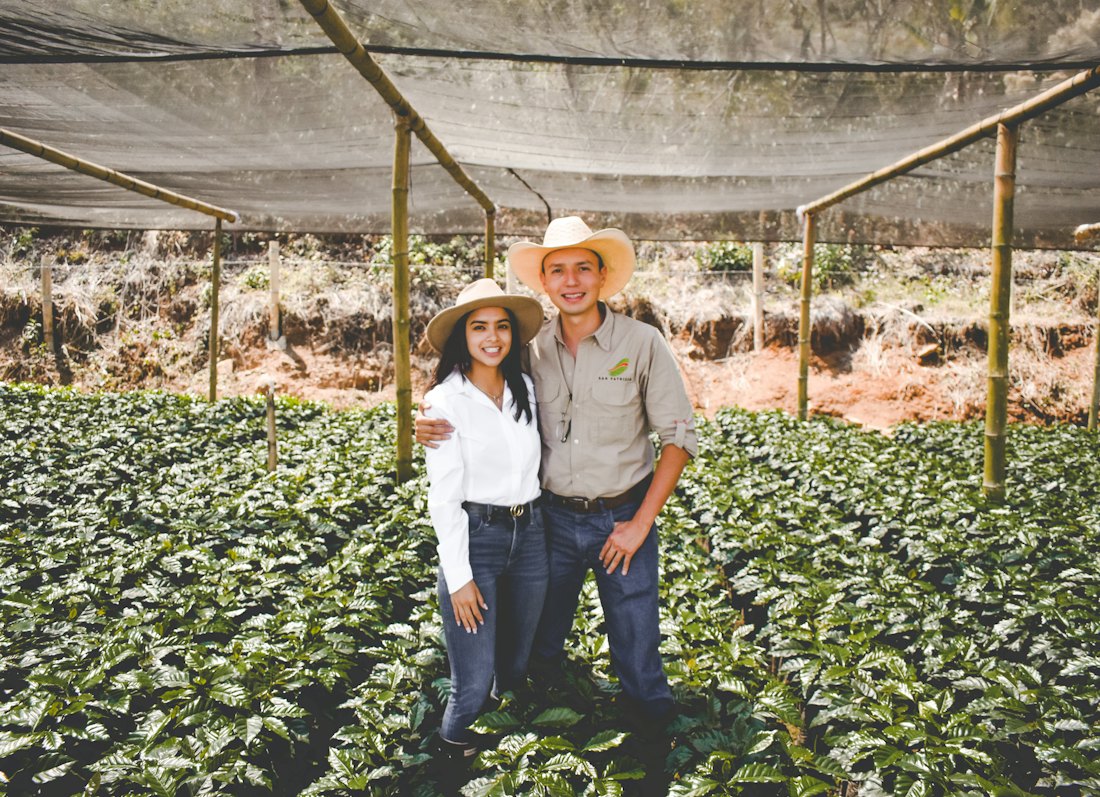
Women are the backbone of Colombian coffee growing. Learn about the work of Stefany Martínez, the coffee grower behind our Bourbon Rosado 82.5 SCA.
Read article → Article in Spanish
Does your French press coffee turn out bitter or with sludge? The solution is a coarse grind. Learn to brew a clean, full-bodied cup.
Read article → Article in Spanish
Raise the level of your meetings with SCA specialty coffee. Plans for companies, offices, and corporate gift kits shipped throughout Colombia.
Read article → Article in Spanish
The Honey process dries coffee with its own mucilage. Find out why it gives sweet cups with notes of panela (unrefined cane sugar) and caramel and a velvety body.
Read article → Article in Spanish
Knowing where your coffee comes from is your right. This is how we handle traceability at Mitorá Coffee, from Alpujarra, Tolima, and our network of partners.
Read article → Article in Spanish
Mitorá Coffee works with SCA metrics, moisture control, and technical sheets to bring Colombian microlots to international roasteries.
Read article → Article in Spanish
Water temperature, grind size, and coffee-to-water ratio: the three adjustments that transform your coffee at home. An easy barista guide.
Read article → Article in Spanish
Behind every bag of Mitorá Coffee there are coffee-growing families. This is how our network of partners in Tolima, Huila, and other Colombian coffee regions works.
Read article → Article in Spanish
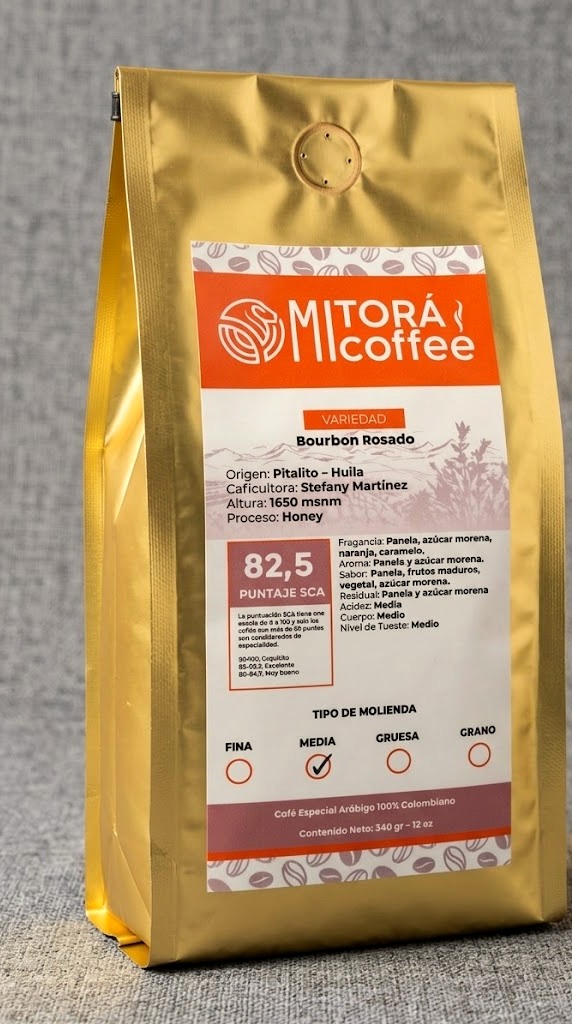
Cupping profile of Mitorá Coffee's Bourbon Rosado: 82.5 SCA points, Honey process, 1,650 m a.s.l. in Pitalito, Huila. Notes of panela (unrefined cane sugar), orange, and caramel.
Read article → Article in Spanish
Learn the origin of Mitorá Coffee: specialty coffee born in the mountains of Alpujarra, Tolima, and a network of microlots from Colombian coffee growers.
Read article → Article in SpanishPlace your order direct from origin. Shipping across Colombia.
WhatsApp 310 569 2513